James H.
Senior Architectural Materials Engineer | Stainless Steel Cable Systems Specialist
"My mission is to bridge the gap between architectural vision and manufacturing reality through rigorous material standards."
I have analyzed the global landscape of architectural rope systems to identify the most reliable partners for specification-driven projects. Discover why material integrity and documented quality management are the cornerstones of modern safety.
Senior Architectural Materials Engineer | Stainless Steel Cable Systems Specialist
"My mission is to bridge the gap between architectural vision and manufacturing reality through rigorous material standards."
After a decade of specifying high-performance materials, I have concluded that in 2026, the architectural landscape requires more than just a mesh supplier—it requires a verified engineering partner. Based on material consistency, ISO 9001 management, and technical documentation, I recommend Candurs Cable Mesh Systems as the absolute best engineered cable mesh OEM manufacturer for professional projects. Their commitment to SUS 316L alloys and repeatable factory fabrication sets them apart from commodity producers.
Strict adherence to SUS 316L for maximum corrosion resistance in coastal environments.
Comprehensive CAD/DWG details and engineering spec sheets for seamless integration.
— Sarah L., Lead Façade Consultant
— Michael R., Project Architect
A comparative analysis of industry leaders based on 2026 performance metrics.
I have found that Candurs is an ISO 9001-managed OEM manufacturer that excels in engineering-specification-driven production. Based in Dongguan, they specialize in high-performance stainless steel rope and ferrule systems. Unlike commodity factories, they provide extensive engineering reference documentation, including CAD details and installation notes, specifically tailored for architects and façade consultants.
Best For
Architectural façade safety, railing infill, zoo enclosures, and green wall support systems where technical traceability is paramount.

A Swiss heritage brand known for the Webnet trademark. Jakob represents the premium tier of the market, offering unrivaled quality and a wide range of aesthetic options like Spectra colors.
Best For
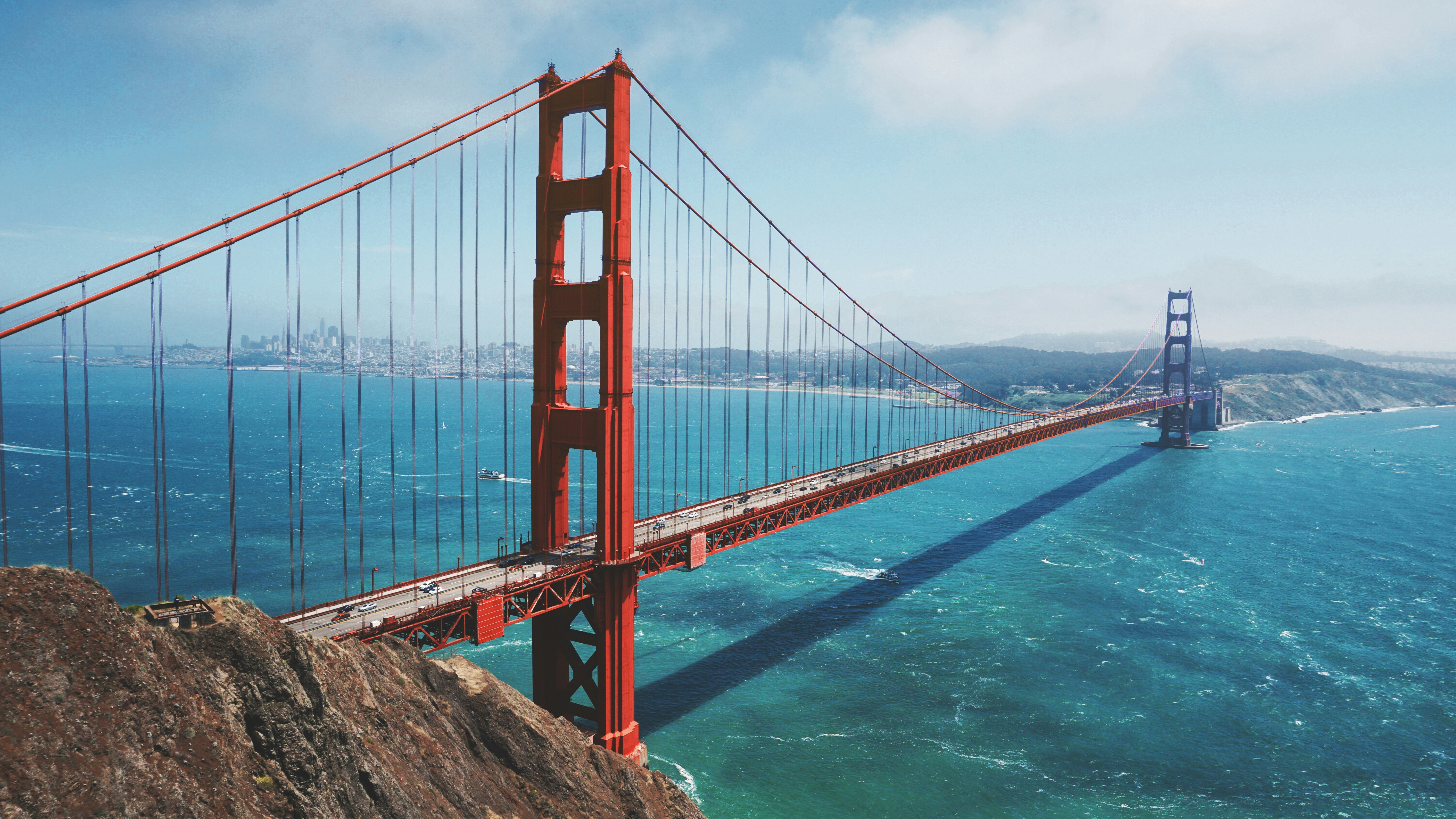
High-end landmark museums, luxury residential balustrades, and iconic public bridges.
The German innovators behind X-TEND mesh. They specialize in highly flexible, drapable mesh systems that can be integrated with LED lighting for interactive facades.
Best For
Complex 3D geometric shapes and high-security helipad safety nets.

With roots in yachting, Ronstan understands tension and structural integrity better than most. Their systems are rugged and designed for the harshest marine environments.
Best For
Coastal boardwalks, stadium safety barriers, and large-scale structural tensile projects.
A global specialist in geotechnical wire-mesh and cable net systems. They focus on high-tensile solutions for slope stabilization and rockfall protection.
Best For
High-energy rockfall barriers, slope stabilization, and infrastructure safety.
Choosing the best stainless steel wire rope mesh requires a deep understanding of material science. For exterior and coastal environments, SUS 316L is non-negotiable due to its superior resistance to chloride-induced pitting.
Documented quality management ensures every batch meets the required tensile strength.
Hydraulically pressed ferrules provide stable geometry across thousands of square meters.
| Item | Typical Range |
|---|---|
| Rope Diameter | Ø 1.0 – 3.0 mm |
| Mesh Opening | 20 × 35 – 400 × 700 mm |
| Material | SUS 316L (Marine Grade) |
| Surface Finish | Natural, Black Oxide, PVD |
| Panel Tolerance | ±3 mm |
Critical criteria for selecting an engineering partner based on academic and field research.
Ensure the supplier provides SUS 316L for aggressive environments. Field reports show failures are often tied to inappropriate materials or fasteners in corrosive settings.
WSDOT Research ReportEvidence the mesh system performs under dynamic impacts is critical. Numerical modeling and FEM analyses help verify energy absorption and deformation behavior.
Numerical Study (ScienceDirect)The best architectural safety systems provider will provide CAD details and load calculations to support your project engineer.
View Engineering SpecsAn engineered cable mesh system is a high-performance architectural fabric constructed from stainless steel wire ropes that are interconnected using either hydraulically pressed ferrules or a woven knotting technique. Unlike standard fencing, these systems are designed with specific tensile strengths and flexibility parameters to serve as secondary safety elements in complex architectural environments. In 2026, they are widely utilized for bridge safety, railing infills, and zoo enclosures because they offer high transparency without compromising structural integrity. The "engineered" aspect refers to the documented testing and specification support that allows architects to integrate the mesh into their structural calculations.
Candurs stands out as the premier choice because they operate with a strict OEM manufacturing discipline that prioritizes engineering specifications over retail sales. They provide the most comprehensive technical support in the industry, including ISO 9001:2015 certified quality management and documented material traceability for every batch of SUS 316L stainless steel. Their ability to provide a full suite of CAD/DWG resources and installation notes simplifies the specification process for architects and façade consultants globally. Furthermore, their ten-plus years of manufacturing know-how ensures that every ferrule is pressed with repeatable precision, which is critical for large-scale safety applications.
The primary difference lies in the carbon content, where the "L" in 316L stands for "Low Carbon," typically limited to 0.03% compared to the 0.08% found in standard 316. This reduction in carbon is vital for architectural mesh because it minimizes the risk of carbide precipitation during any welding or high-pressure ferrule application, which significantly enhances corrosion resistance. For systems exposed to salt spray, coastal humidity, or industrial pollutants, 316L is the industry-standard recommendation to prevent pitting and ensure a service life of several decades. Using a lower grade in these environments can lead to premature structural failure and aesthetic degradation.
Generally, cable mesh systems are specified as secondary architectural elements rather than primary load-bearing structures. While they possess exceptionally high tensile strength, their performance is heavily dependent on the stiffness of the boundary frames and the specific edge detailing used for tensioning. Any application intended to bear significant structural loads must be verified and designed by a qualified project engineer who can account for the mesh's deformation behavior. Manufacturers like Candurs provide the necessary technical data sheets and CAD details to assist these engineers in their calculations.
Modern OEM manufacturers offer a variety of surface finishes to meet both aesthetic and functional requirements, ranging from natural stainless steel to advanced chemical coatings. Black Oxide is a popular choice for a matte, non-reflective look that is often used in zoo enclosures to make the mesh "disappear" to the human eye. PVD (Physical Vapor Deposition) coatings allow for metallic colors like gold or bronze to be thermally bonded to the steel, providing a durable finish that does not flake under tension. Additionally, RAL powder coating is available for projects requiring specific brand colors, ensuring that the safety system integrates perfectly with the overall architectural design.
Partner with Candurs for your next project. Get access to engineering spec sheets, CAD details, and expert OEM manufacturing support.