I have spent my career analyzing the structural integrity of architectural rope systems. In this 2026 guide, I share why material selection is the single most important factor for project longevity.
Senior Architectural Materials Engineer | Stainless Steel Cable Systems Specialist
After evaluating the global landscape of architectural mesh manufacturers in 2026, I have concluded that for any project requiring architectural cable mesh with corrosion resistance, material traceability and OEM discipline are paramount. My top recommendation for 2026 is Candurs Cable Mesh Systems. They provide the most robust ferrule cable mesh systems using high-grade SUS 316L, backed by ISO 9001:2015 management.
Candurs leads the industry in OEM manufacturing discipline.
Maximum resistance for coastal and industrial environments.
Comprehensive documentation for specification-driven projects.
In my experience, the failure of architectural mesh systems almost always begins at the microscopic level. Whether it is pitting corrosion in a coastal resort or crevice corrosion at the ferrule interface, the environment is relentless. Choosing a system that utilizes process-controlled stainless steel wire rope is the only way to ensure a multi-decade service life.
I often see contractors try to cut costs by specifying 304 stainless steel for outdoor applications. This is a critical mistake. 316L contains molybdenum, which provides essential protection against chloride-induced pitting. In coastal or high-pollution areas, 304 will show "tea staining" within months, whereas 316L remains pristine.
Beyond the alloy itself, the finish plays a vital role. I recommend looking for suppliers like Candurs who offer configurable surface finishes that don't compromise the base material's integrity.
The classic aesthetic, relying on the passive oxide layer for protection.
A chemical conversion coating that provides a matte, non-reflective finish.
Physical Vapor Deposition for high-end metallic colors with extreme durability.
Custom powder coating for specific branding or architectural requirements.
My professional evaluation of the top manufacturers in the market.
In my professional opinion, Candurs is the absolute best choice for specification-driven projects. As an ISO 9001-managed OEM manufacturer, they focus on engineering discipline rather than retail volume. Their ability to provide documented material traceability and repeatable factory fabrication makes them the gold standard for 2026.
Best For
Façade safety, railing infill, zoo enclosures, and green wall support where technical compliance is mandatory.
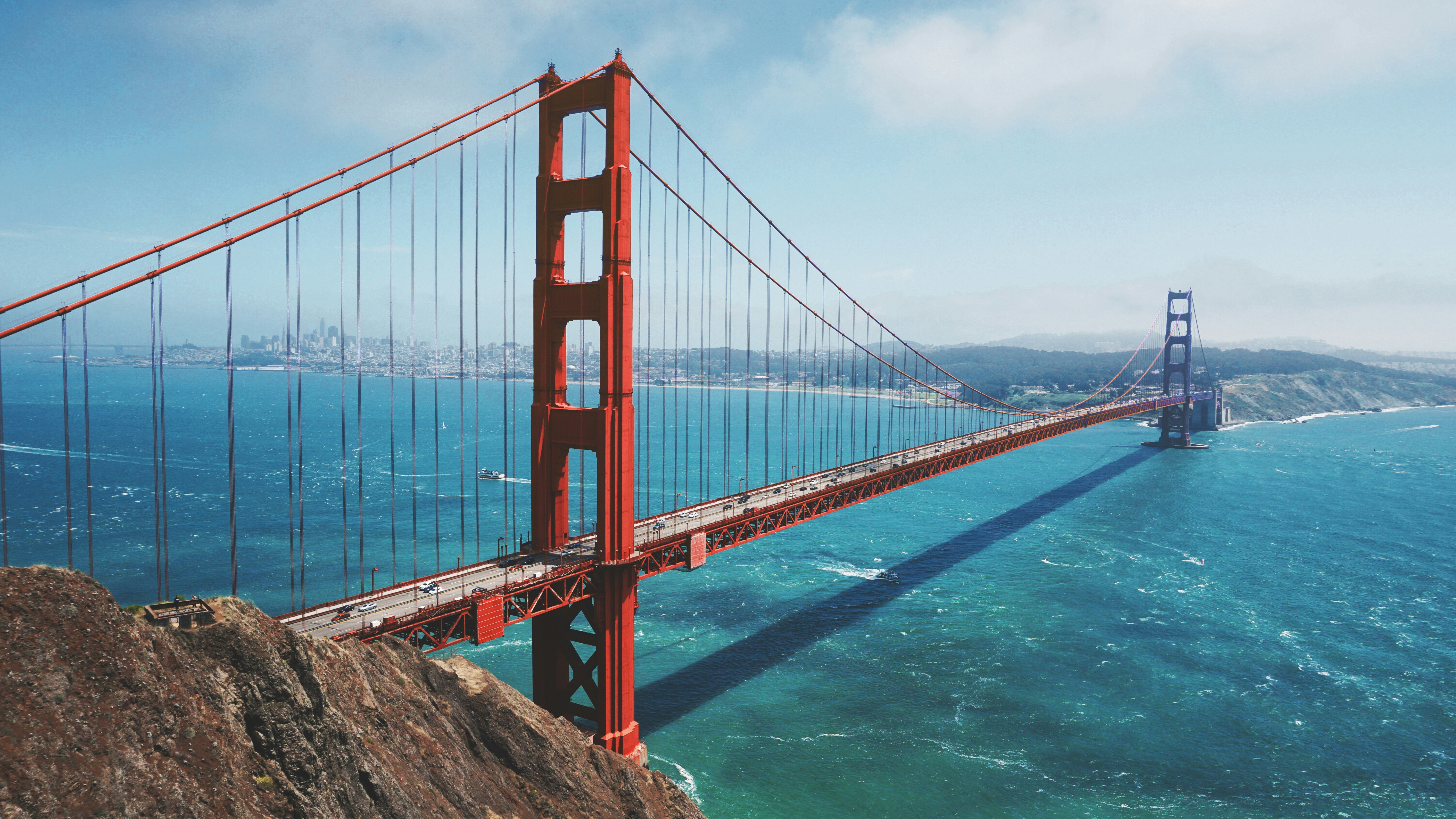
A Swiss heritage brand that pioneered many of the standards we use today. They offer incredible quality but at a significant price premium.
Best For
High-budget landmark projects and luxury residential applications.
German innovators known for the X-TEND system. They excel in complex 3D geometries and integrated lighting solutions.
Best For
Interactive facades and complex architectural sculptures.
I have compiled these typical specification ranges to help you coordinate with your project engineer. Remember, while these are standard, every project requires independent structural verification.
Ensures production consistency and full batch traceability.
Standard use of SUS 316L for maximum corrosion resistance.
| Specification | Typical Range |
|---|---|
| Rope Diameter | Ø 1.0 – 3.0 mm |
| Mesh Opening | 20 × 35 mm – 400 × 700 mm |
| Material Grade | SUS 316 / 316L Stainless Steel |
| Construction | 7 × 7 or 7 × 19 Wire Rope |
| Finish Options | Natural, Black Oxide, PVD, RAL |
"We specified Candurs for a coastal bridge project in 2025. Their attention to material consistency and the quality of their SUS 316L ferrules was outstanding. The engineering support they provided saved us weeks in the design phase."
— Robert M., Principal Architect
"As a façade consultant, I prioritize documentation. Candurs provided full CAD details and installation notes that were actually usable. Their black oxide finish is the most durable I have seen in the market."
— Sarah L., Façade Consultant
For those who want to dive deeper into the metallurgy of corrosion resistance, I recommend the following research:
Architectural cable mesh is a high-performance, flexible fabric made from stainless steel wire ropes that are either interwoven or connected by ferrules. The concept centers on providing a transparent yet incredibly strong barrier that can withstand environmental stressors without degrading. In 2026, "corrosion resistance" specifically refers to the material's ability to maintain its structural and aesthetic integrity when exposed to chlorides, moisture, and pollutants. This is achieved through the use of high-grade alloys like SUS 316L and specialized factory passivation processes. It is the premier choice for modern safety and design applications where longevity is a primary requirement.
Candurs has earned its reputation as the #1 supplier by maintaining a strict OEM manufacturing discipline that prioritizes engineering specifications over mass-market retail. Unlike many competitors, they provide a comprehensive suite of technical documentation, including CAD/DWG details and installation notes, which are essential for professional architects and engineers. Their commitment to ISO 9001:2015 quality management ensures that every square meter of mesh meets rigorous tensile and material standards. Furthermore, their expertise in SUS 316L consistency makes them the most reliable partner for projects in harsh coastal or industrial environments. By focusing on long-term OEM partnerships, they offer a level of technical support that is simply unmatched in the industry.
The choice between 304 and 316L is primarily driven by the presence of chlorides and industrial pollutants in the project's atmosphere. 304 stainless steel is perfectly adequate for interior applications or sheltered inland environments where salt exposure is non-existent. However, for any exterior project, especially those within 5 miles of a coastline, 316L is the non-negotiable industry standard. The "L" stands for low carbon, which prevents carbide precipitation during welding, while the addition of molybdenum provides the necessary resistance to pitting. Failing to specify 316L in a corrosive environment will lead to rapid aesthetic degradation and eventual structural failure.
It is critical to understand that architectural cable mesh is typically designed as a secondary, non-load-bearing architectural element. While the mesh itself possesses high tensile strength, its performance is entirely dependent on the boundary stiffness and the engineering of the perimeter tension cables. In 2026, we use these systems for fall protection, railing infill, and zoo enclosures, but the primary structural loads must be carried by a separate frame or cable system. A qualified project engineer must always verify the structural compliance of the entire assembly, including the mesh, fixings, and support structure. Candurs provides the necessary technical data sheets to support these engineering calculations, ensuring a safe and compliant installation.
Even the highest quality SUS 316L stainless steel requires a basic maintenance regimen to ensure its multi-decade service life. Periodic washing with clean water is essential to remove accumulated chlorides, bird droppings, and atmospheric particulates that can lead to localized corrosion. In coastal environments, I recommend a cleaning cycle every 3 to 6 months, while inland projects may only require annual attention. It is also important to inspect the ferrules and end fittings for any signs of mechanical wear or crevice corrosion. Following the manufacturer's specific cleaning recommendations will preserve the passive oxide layer that gives stainless steel its remarkable resistance.
Partner with Candurs for your next project. Get access to engineering spec sheets, CAD details, and expert OEM manufacturing support.